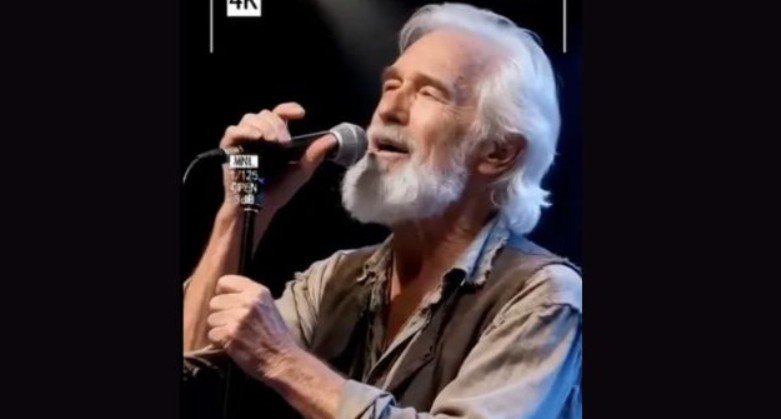

Music has a unique ability to transcend time, space, and generations. It connects people in ways words alone cannot, evoking emotions, memories, and deep connections. One such timeless piece that continues to resonate through the ages is “La Paloma.”
Originally written in 1859 by Sebastián Iradier, this Spanish folk song has touched the hearts of countless listeners, regardless of their age or background. Its poignant lyrics, simple melody, and powerful message have made it a staple for performers across the globe. But it’s not just a song; it is a powerful reminder that no matter how much time passes, we are forever bound together by love.
“La Paloma,” meaning “The Dove,” tells the story of a love lost and a heart yearning for reunion. It’s a song about longing, hope, and the emotional weight of being apart from a loved one. The dove, as a symbol of peace and love, carries with it a sense of vulnerability and the desire for reconciliation.
This song has become more than just a folk tune; it has become a cultural treasure, passed down from one generation to the next. The beauty of the song lies not just in its melody but in the universal emotion it evokes—the deep connection between people, no matter the distance or time that separates them.
For one family, “La Paloma” has become a bridge between generations, a song that captures the enduring love shared between grandparents, parents, and children. In a special moment, a grandfather sat alongside his granddaughter, both of them sharing a love for music and the emotional bond it fosters.
The grandfather, a seasoned musician, had performed countless songs in his time, but this particular piece held a deep personal meaning. As he strummed the familiar chords of “La Paloma” on his guitar, his granddaughter, now in her early twenties, joined him in the song, both voices blending in harmony.
The moment was one of quiet celebration—a celebration of family, of shared memories, and of love that spanned generations. The granddaughter had heard the song countless times before, but this time was different. This time, it wasn’t just a song they were singing. It was a connection they were reaffirming. It was the story of a love that had weathered the passage of time, much like their relationship.
The grandfather, with his weathered hands and worn guitar, represented the generations that had come before her, while she, with her youthful voice, symbolized the future of their family. Together, they sang, and for a moment, time seemed to stand still. The world outside faded, and all that mattered was the shared experience of singing a song that had bound their family together for years.

As the song reached its crescendo, the grandfather’s voice, though aging, was still strong and full of emotion. He gazed lovingly at his granddaughter, who, in turn, looked up at him with admiration. She could feel the weight of the years, the wisdom, and the love he had imparted to her through not just his words, but his actions. “La Paloma” was more than just a melody; it was a gift, a symbol of the love and bond they shared. In that moment, she understood that no matter where life took them, they would always be connected by the music they had shared.
After the song ended, there was a quiet pause. The room was still, and for a moment, the only sound was the faint echo of the guitar’s last note. Then the grandfather, with a knowing smile, spoke: “This song, my dear, has been sung for generations. It was sung by your great-grandfather, and now we’re singing it together. I hope you carry it with you, just as I’ve carried it all these years.”
The granddaughter nodded, her heart full of gratitude. She had always known that music had a special power to connect people, but in that moment, she felt it deeply. It wasn’t just about the song; it was about the love and wisdom passed down through the generations. It was about the shared experiences that transcended time, bringing them closer despite the years and miles that might separate them in the future.
For the grandfather, the song was a way to pass on his legacy, to ensure that the love they shared would never fade. He knew that, just as “La Paloma” had traveled through the years, so too would his love for his granddaughter continue long after he was gone. Music had a way of immortalizing moments, of capturing feelings and experiences in a way that was impossible for words alone to do.
The power of “La Paloma” lies in its universal theme. It speaks of the desire for reunion, the longing to be with a loved one, and the emotional weight of separation. But it also speaks to the hope that no matter how far apart we are, we can always find our way back to each other. It’s a message that resonates across generations, cultures, and time periods. The love expressed in the song is not bound by the constraints of time; it’s eternal, a love that endures even when the people we love are no longer with us.

As the grandfather and granddaughter sat in the quiet of the room, the song continued to resonate in their hearts. They knew that, no matter where life took them, they would always have this moment, this song, to remind them of their unbreakable bond. It was a bond forged not just through shared experiences, but through a love that transcended time and space. “La Paloma” was more than just a song—it was a living, breathing testament to the enduring power of love.
In the years to come, whenever the granddaughter faced challenges, whenever she felt lost or uncertain, she would remember this moment. She would remember the song, the love of her grandfather, and the wisdom he had shared with her. And, just as he had hoped, she would carry the song with her, singing it to her own children one day, passing down the love and the legacy of her family through the power of music.
“La Paloma” may have started as a folk song, but it became so much more. It became a symbol of love, of family, and of the unbreakable bond that ties generations together. And in that moment, as the granddaughter sang alongside her grandfather, she understood the true meaning of the song. It wasn’t just about a dove flying high in the sky—it was about the love that never falters, that never fades, and that always brings us back home.
Through the simple melody of “La Paloma,” they had captured the essence of their family, a family bound together by love, music, and shared memories. No matter the years that would pass, no matter the distance that would separate them, their love would always be with them, soaring high like the dove in the song.